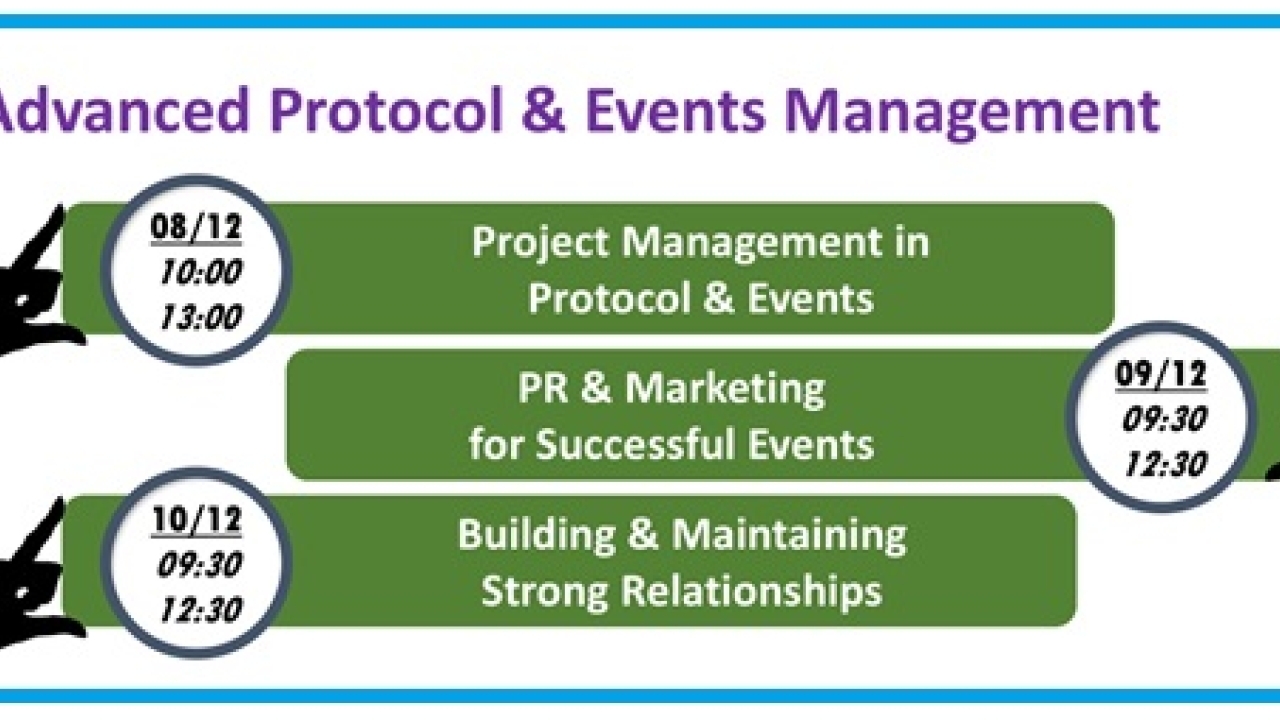
The relationship between the global audience (or international community) and the media in protocol and festival/event management is a central element in the success of any event, especially those with an official or international character. What follows is a clear and comprehensive explanation of this relationship and how it is managed professionally:
Protocol is not just about ceremonial rules and hospitality; it is a comprehensive framework for shaping how an event appears to the world—and this is where the media plays a key role.
The media is not just a transmitter of the event; it is a partner in shaping its image and expanding its reach.
This includes:
1 Handling unexpected or negative coverage.
2 Coordinating messages from multiple stakeholders.
3 Preventing information leaks before official release.
4 Providing a professional experience for journalists in crowded events.
Effective protocol and events management is essential for businesses as it strengthens organisational reputation, builds trust with stakeholders, and ensures that every engagement—from corporate meetings to large-scale activations—reflects professionalism and strategic intent. By applying structured protocols, companies maintain consistency, cultural sensitivity, and clear communication, while strong event management enhances brand visibility, fosters meaningful relationships, and creates opportunities for collaboration and growth.
Together, these disciplines help businesses deliver polished experiences that reinforce credibility, support business objectives, and leave lasting positive impressions.
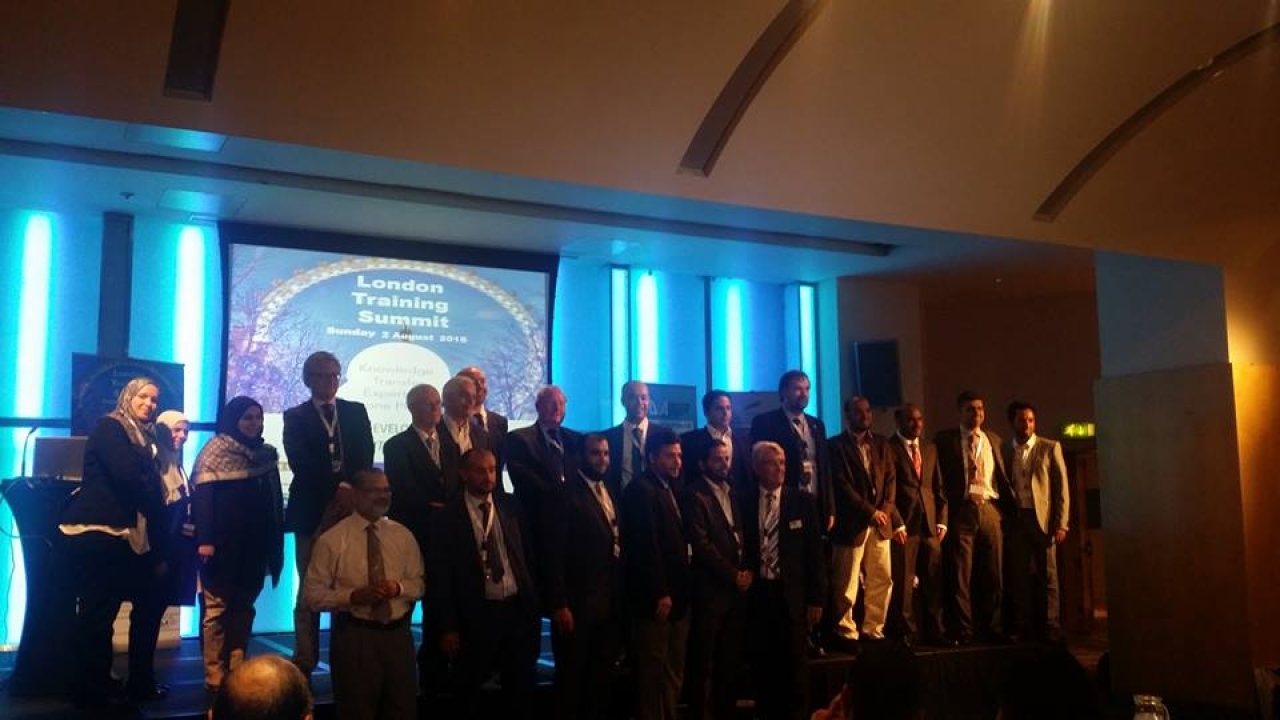 How will AI transform the roles of Employees, Managers and trainers over the next 5 years?
 Continuous Training in Times of Crisis: A Pillar of Resilience and a Gateway to Recovery
 Strait of Hormuz - Energy Markets in Times of War (from Efficiency to Security)
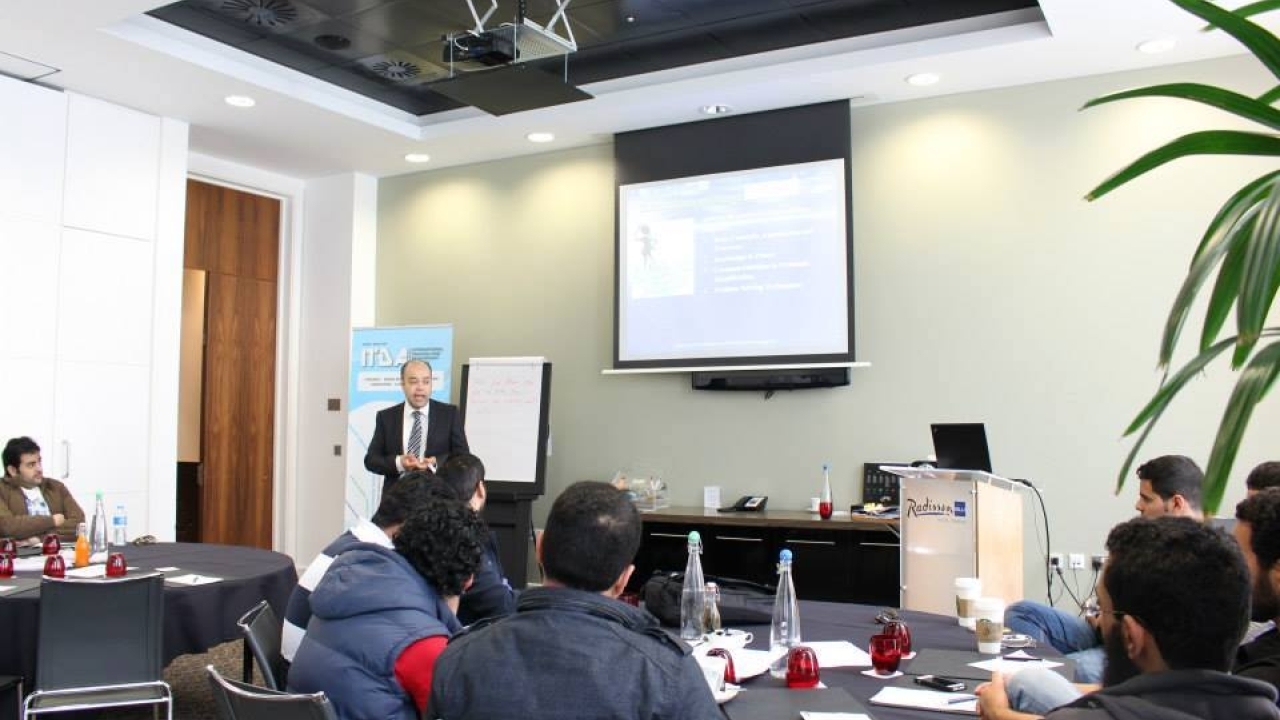 Redefining Training and Development in a Rapidly Changing Workplace
PR & Media in Protocol and Events' Management
Redefining Training and Development in a Rapidly Changing Workplace
PR & Media in Protocol and Events' Management
Our Clients


